

How To Set Up A Clean Guitar Rig
If you lot have bought a guitar amp or are thinking near upgrading your amp, this guide is for y'all.
This guide will show y'all how to get the about out of your amp by showing you how to go an expert in your guitar amp'southward settings.
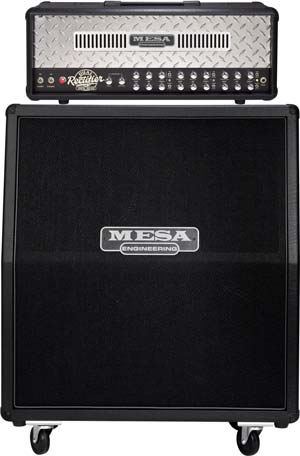
This guide is and then of import considering of something I see too often equally a guitar teacher. I often run into students 'upgrading' their amps because they're non happy with the tone their current amp produces. Information technology usually happens similar this:
- The student buys a new amp and plays around with it for a couple of weeks. Eventually, they get frustrated because it'south not producing the tones they want so they go to the guitar shop.
- The salesperson tells them that their current amp isn't suitable for the style they desire to play and they recommend something else.
- The salesperson demos the amp and the student buys it considering it matches the tone they're after.
- Afterward a few weeks, the student gets a fleck frustrated because they're unhappy with how it sounds….
This has happened to quite a few of my students over the years. Earlier we dig into guitar amp settings and how to dial in a great tone on any guitar amp, allow'southward look at what'southward the problem is and how you tin can avert it:
People have different ideas on which amps are suitable for different styles
If you desire to play a certain manner, people will start suggesting unlike guitar amps to suit that style. While those suggestionsmight be helpful, what unremarkably happens is it causes y'all to doubtfulness your own amp selection (if you lot already have one).
So if you take amp 10 and somebody tells you amp Y is great for the style y'all want to play, you lot will first doubting amp Xeven if that amp is perfect for that fashion.
If you're not sure what type of guitar amp is right for you, read through my Guide on Types of Guitar Amps.
The salesperson at the guitar shop (or any other experienced guitarist) knows how to punch in good tones with almost any amp
I of my students bought an unsuitable amp (in my opinion) on the spot considering the guitar salesperson dialed in a great tone at the shop. An experienced guitarist can brand almost whatever amp sound great just similar an advanced guitarist can make a cheap guitar audio far better than it is.
So if you go to the guitar shop in search of an amp, exist aware that information technology'due south very easy for the salesperson to make i amp sound better than another.
Information technology'south besides worth mentioning that in that location are many tricks some salespeople will utilize to make 1 amp sound superior to another. For example, having i amp slightly louder than another amp can be all it takes to brand that person believe that the louder amp is superior. This is used oft in the hello-fi and home theater industry – to make a more expensive unit sound improve they simply raise the book slightly.
Proceed this in mind when you're comparing guitar amps – even and so-called 'audiophiles' can be easily tricked with the correct conditions.
Blaming gear isn't the respond
Getting frustrated at your gear because yous tin't reproduce a tone you hear in a vocal is a mutual problem most beginners and intermediate guitarists experience.
I've heard of beginners buying $2000+ amp stacks because they thought that buying high-priced gear will give them great tone. That's what the amp makers desire you to believe! This guide will steer you abroad from that line of thinking.
Guitar Amp Settings Presets (and why you should ignore them)
One reason why I created this guide is that I saw how many websites list different guitar amp settings or presets. You will see a lot of websites list guitar amp presets like:
Metal: Drive 10, Bass 10, Mid 1, Treble 7, Vol 8
Dejection: Drive 3, Bass 2, Mid five, Treble 2, Vol 6
ROCK: Bulldoze seven, Bass five, Mid seven, Treble 7, Vol 7
The major problem with guitar amp presets is that every guitar amp is different so the presets are useless. If you lined upwards ten dissimilar guitar amps and set up them all with the exact same preset, each one would withal audio completely unlike.
Read the comments on those websites and yous will see endless people complaining that they followed the advice and it didn't give them the tone they wanted.
Fifty-fifty if you accept the same amp every bit the person making the recommendations, your guitar and pedals will change your results.
The goal of this guide is to teach you lot to use your ears and figure out the right preset for any situation on your ain. If yous follow the communication in this guide you will never need to wait up another guitar amp settings preset again.
The primary lesson here is that guitar amp settings presets don't teach you how to apply your guitar amp or how to dial in good tones.
Guitar Amp Basics
Let's first by getting a general feel for the typical controls on guitar amps. The three examples below are very different from each other, only you will notice some similarities in the controls.
There are endless other amps out there with different controls, then the 3 below will give y'all a good idea of what to expect.

The Fender Mustang I shown higher up is a digital modeling amp which is why the department on the right of the higher up photo is so different from traditional guitar amp controls. A lot of modern combo amps take some effects congenital-in and many give the selection to save different presets.
Older combo amps may be limited to reverb equally the simply onboard effect. Hither are the main controls worth mentioning:
- Gain knob
- Volume knob
- Treble & Bass knobs
- Master knob
- Preset knob with LED indicators
- Modulation & Delay/Reverb knobs
This amp gives a wide range of channel options and models different types of amps which is condign more than and more than mutual with combo amps.

The Marshall MG15DFX above is an case of a pocket-size combo amp with a few built-in effects. It's also simpler than the Mustang I shown earlier. Here are the main controls worth mentioning:
- Book knob under 'Clean' channel
- Gain & Volume knob nether 'Overdrive' channel with an 'OD select' push button
- Bass, Profile & Treble knobs
- Preset/Conform & FX level knobs for digital effects
The beneath amp is a Peavey 6505+ head unit. While it might look daunting compared to the in a higher place examples, when yous look closer it becomes clear that this amp is actually pretty bones.

The unit has ii channels with independent controls. Then while it looks like a lot of knobs, it's only because each aqueduct has dedicated controls rather than master controls. This means you tin gear up different EQ settings for the 'Rhythm' or 'Pb' channels. Hither are the main controls:
- Pre & Mail service gain knobs (ane prepare for each channel)
- Low, Mid & Loftier EQ knobs (1 fix for each aqueduct)
- Resonance & Presence knobs (one set for each channel)
When we compare the three amps above, we can see that they all offer:
- Gain options (either 1 or 2 gain knobs per aqueduct)
- EQ options (some combination of Bass, Mid, Treble)
- Channel and master volume options
That's what this guide volition focus on and past the finish, you will exist able to tweak these controls on any amp to produce the tone yous want. Your amp may have more or fewer controls than the examples above, but the main features to pay attending to is gain, EQ, and volume.
Think of those controls as the core of your tone. Other features such as inbuilt effects are something you lot consider subsequently on.
Getting a Practiced Clean Tone
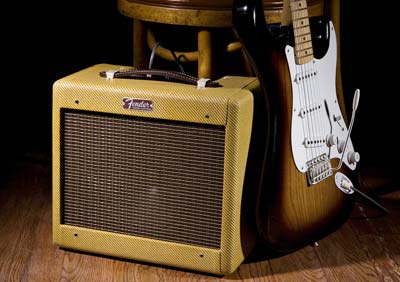
Permit's beginning with the most basic thing you tin practise with your guitar amp: getting a clean tone. This is a adept starting signal as it volition go y'all comfortable with how the gain, EQ, and volume controls all contribute to your overall tone. It will also emphasize the importance of pickup selection.
one. Select your clean channel or turn the gain down if you don't have multiple channels
Many modern amps volition have multiple channels and so select a clean aqueduct to get y'all started. If your amp has multiple clean channels (eg: a digital modelling amp with a few different make clean options), pick any for now.
2. Turn off all amp effects and outcome pedals
At this bespeak, all yous want is a very clean and dry audio without any furnishings. Turn off any compressors, boosters, delay, reverb or anything else that might be on. When you play your guitar it should audio dry without any hint of effects or any grit or distortion.
This is of import because it gets you thinking about the underlying tone earlier you lot apply any effects. Quite oftentimes people outset with furnishings (eg: filibuster) on and it distracts them from showtime setting upward a practiced clean tone. So offset with everything else off.
On a lot of digital amps, the clean setting may be a preset with some effects built-in. And so even if you accept an selection for clean, double check to make sure all the effects are turned off.
3. Bring the bass, mid & treble knobs all to 12 o'clock
As explained earlier, every amp is different, but with most amps this should be a neutral setting for EQ. Using this as your starting point will requite yous a feel for your amp'southward natural tone before you start tweaking it. Set your amp'due south EQ knobs to await like to below:
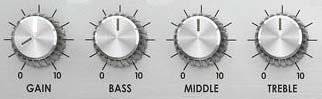
Starting with your EQ equally flat as possible allows you to get a good experience for the natural audio of your amp. You can ever tweak the EQ subsequently on, so even if you don't like what you hear now, it's good to get a basic starting point.
iv. Go along the gain fairly low and arrange the volume to a suitable level
With some amps, if you lot roll the gain knob to aught it cuts the signal. Keep the gain low enough that you tin can however hear your guitar and adjust the book upwards or down to bring it to a comfortable level.
When you hit a chord difficult you shouldn't hear whatever type of distortion at all and it should die off naturally. If you do hear a bit of dust or breakup in your tone, dorsum the gain off.
You probably won't like the sound of a very dry amp, just don't worry. This is only to requite y'all a baseline. You will be able to roll the gain back in later to find the tone you're subsequently.
5. Jam for a while to get a feel for the tone
Spend at least a minute jamming then change to a different pickup. Spend at least a minute on each pickup combination to get a feel for how each pickup sounds. Don't worry if the tone sounds bad every bit you will before long tweak it to your liking.
6. Think most what you like nigh the tone and what yous don't similar near it
This is an important stride so don't skip ahead to making adjustments withal! Learning how to remember critically about your tone earlier you lot make adjustments is how you volition go a adept tone in the stop. Randomly tweaking knobs or adding in stompboxes won't teach you lot to control your tone.
At first, it will be hard to describe what you like/dislike well-nigh your tone. Hither are some basic examples of what you might be thinking:
- Information technology sounds too muddied
- It sounds thin and hollow
- I'm getting a twangy sound
- I similar how crystal clear information technology sounds
- It produces a weird boomy sound when I play chords
Over time you will be able to get more specific about what you like/dislike about your tone then spend a few minutes at present trying to depict your tone.
7. Starting time making modest adjustments to prepare whatsoever problems yous hear
The previous footstep is so important because y'all need to outset know what you don't like almost your tone before you lot make any changes. Tweaking knobs without a specific goal won't assist y'all go a adept tone.
At first, you may not know how to fix a trouble such as 'it sounds thin and hollow', but this experimenting phase volition teach you how each knob affects your tone. And then while I'd like to give you a recipe for fixing any possible problems, yous won't learn much from it.
Here's an case of the type of experimenting to go through when trying to prepare a problem or make an comeback:
Let'southward say you feel your tone is sparse and hollow.
- Showtime by turning the bass knob up and jam for a chip with each pickup. Did that fix the problem? The chances are it volition nonetheless sound thin simply now has a more boomy sound. Turn the bass knob dorsum.
- Turn the mid knob upwardly. Did that fix the problem? This time it volition probably sound dirty as if the amp was fabricated out of paper-thin. Turn the mid knob back.
- Turn the treble knob upward. Did that fix the problem? Information technology's like it will audio even thinner but at present take a bright or shimmering audio. Turn the treble knob back.
- Turn the proceeds upwardly and adjust the volume down to compensate. Did that set the problem? It's likely that it fills out your tone but you lot still feel it'due south a chip hollow. If this made an improvement, you would then proceed by either trying to raise the gain some more or keep the alter and become back to the EQ knobs to further improve the results.
So for this example, y'all might find that turning the gain up and adjusting the bass and mid knobs solves the problem.
Think of the above example as a fashion to figure out how to overcome whatever problems in your tone. Go through each setting ane at a fourth dimension to figure out which setting helps solve the problem. There isn't a rulebook that gives perfect solutions to any problem so that'southward why this process is of import to learn.
Once y'all solve any effect or problem y'all hear in your tone, y'all can shift your focus to anything else that doesn't audio quite correct. The main lesson here is that the only way you volition be able to finish up with a bully tone is if you take the time to learn how each knob impacts your overall tone.
8. Add in any effects you want after you're happy with your tone
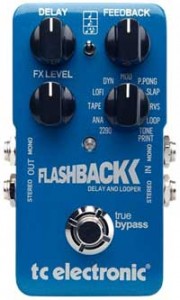
Only after you have tweaked your way to a tone y'all're happy with should you even consider adding any other effects or pedals into the mix. The reason is that you want your other pedals to raise your tone – not to attempt and set a crappy tone. A lot of people get this the incorrect mode around and start buying pedals to fix a bad tone.
Don't purchase more than gear because you're unhappy with your tone. Get your clean tone into a skilful position and then y'all tin look at how your other pedals might enhance your tone.
When you practice add whatsoever effects in, beginning with the mix of the issue low and slowly raise it until you find the right level. It might sound adept to crank the effect up, but in most situations having the upshot a bit lower in the mix ends upward with better results.
If your amp doesn't take inbuilt effects or you prefer to use pedals, hither are a couple of guides to assistance you find suitable pedals for your clean tone:
- Best Delay Pedals – delay is a great way to give your clean tone a fuller sound
- Best Reverb Pedals – while not as pop as filibuster, reverb can make your clean tone feel more lively – especially at home
- Best Compressor Pedals – you lot'll exist surprised by how much a compressor pedal can heighten your clean tone
9. Try coming upwardly with dissimilar types of make clean tones
Heed to a few different songs or guitarists using clean tones and yous volition hear a broad range of different sounds. Some guitarists like a rich tone full of sustain to the signal where information technology almost sounds like overdrive. Others like a glassy-like tone while some prefer a bit of grit in their clean tone to requite information technology some edge.
Try to experiment with your clean tone to go a feel for the overall range your amp has to offering. The more distinct clean tones you tin produce with your amp, the more options you will accept later on on so it'south worth the time spent experimenting.
Hither are a few examples of songs with clean tones yous might want to endeavour replicating:
- Sweet Home Alabama – Lynyrd Skynyrd (a very twangy make clean so make sure you consider your pickups)
- 1 – Metallica (heed to the difference in tone between the rhythm and lead tones in the intro and endeavor to replicate both)
- Purple Rain – Prince (get-go attempt to replicate the silky clean tone before you add whatever effects)
- Little Wing – Stevie Ray Vaughan (listen to the slight grit in the tone when picked hard. Likewise listen to the Hendrix version for a very unlike tone)
The more different make clean tones you can produce, the more flexibility you will accept when writing your own music or trying to replicate somebody else'due south tone. And so heed out for whatever clean guitar and try to replicate it with your amp.
Using Pedals or Your Amp For Your Gain
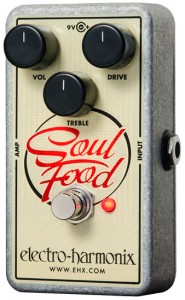
Now that you have experimented with getting a good clean tone and y'all have a good experience for your amp's controls, you tin can turn to a distorted/overdriven tone.
There are two primary means you can get a distortion/overdrive tone: use a pedal or use your amp. The correct option for you depends on what gear you lot have available and what sounds you desire to produce. Quite often a person gets frustrated with their amp because they're unhappy with the distorted tone they're trying to produce.
Experimenting with using pedals or your amp (or a combination of both) to produce your distorted/overdriven tone is a good starting point when getting the most out of your amp.
Some guitarists are adamant that your drive tone should come from your amp while other guitarists are but as insistent that the best drive tones come from pedals. I suggest that instead of limiting yourself to ane way or another, proceed your mind open to all options.
One twenty-four hour period y'all might discover a pedal or amp that delivers a great tone so don't restrict yourself for now.
In my Guitar Furnishings Course, yous tin hear examples of different means to create a drive tone. You'll be able to compare an overdrive from an amp vs a pedal, and you'll larn how to 'stack' your drives for some incredible tones.
Getting a Good Bulldoze Tone
Let's go through how to retrieve about drive tones and how to set up a skillful tone on your amp.
one. Think about what you lot want out of your tone
The showtime thing to think almost before you start setting upwardly a bulldoze tone is what you want to utilize the tone for. A lot of guitarists don't think about this and terminate up with a sub-par tone as a issue. The bulldoze tone yous create should match what you lot will play.
For instance, if yous're playing rhythm guitar in a band with 2 guitarists, turning up the gain likewise high or adding in effects like delay tin can easily ruin your band's overall sound. People will struggle to hear you lot in the launder of noise.
While your rhythm tone might sound great on your own, things change when you're playing in a band. On the other hand, a loftier gain tone with delay can be perfectly suitable when playing solos or pb lines. So remember that the bulldoze tone you use must lucifer your situation.
Here are a couple basic examples of what blazon of drive tone works best for unlike things you lot might play:
- Metal rhythm riffs: using a adequately low gain will bring the clarity out in your riffs. As well much proceeds might sound practiced on your own in the chamber, just alive or on recordings it can turn your tone into a mess. Lower gain gives you more definition to your riffs.
- Strumming power chords: a adequately depression gain gives your chords more dial. Likewise low gain volition thin out your tone and make the chords sound less powerful.
- Rock/metal solos and pb lines: college gain will requite you more sustain and help with any compression harmonics you lot want to add in. Adding in effects such as filibuster tin can requite your tone a fuller sound.
- Blues pb or rhythm: your drive plays a big part in the feel and graphic symbol of your playing. A warm overdrive that slightly breaks upward your clean tone can give yous plenty of inspiration. A highly saturated tone works when you lot want more sustain – but use your volume knob to roll the drive back and make clean up your tone as needed (similar to how Hendrix accomplished his clean tone while playing live).
The outset iii examples above could all be found in the ane song, so information technology's important to retrieve that the tone you create should match what you're playing. A vocal might commencement off with an intricate riff needing definition, and then it might motion into a power chord based poesy needing less gain.
When it comes time for the solo you lot might find that some extra proceeds and delay allows your solo to shine.
While yous could get away with having i drive tone for everything, you're non going to be getting the best out of your gear. The best tone will change to match what you're playing.
2. Offset with an appropriate pickup
It's hard to go a sharp and punchy rhythm tone when you're using a single-coil cervix pickup. Information technology's just every bit hard to get a smooth and thick atomic number 82 tone when yous're using a loftier power humbucker on the bridge. So beginning off by choosing a pickup setting that matches the type of tone you will need. If you're unsure which pickup should work all-time, allow your ears decide.
If y'all're an experienced role player this might audio obvious, only it's worth remembering that you lot should regularly switch between pickups when tweaking your amp'due south settings. Accept a heed to how your unlike pickups affect your bulldoze tone and which pickups are the best fit for the bulldoze y'all come upwards with.
3. Cull a suitable amp model (for modernistic digital modelling amps)
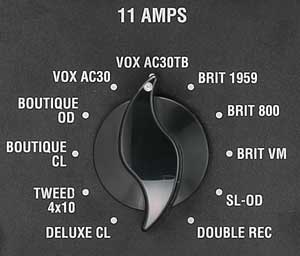
Many modern amps volition give you a range of unlike amp models to choose from. This can often make finding the correct tone complicated as you're always wondering what the other amp models audio similar.
If yous're not already very familiar with the different models your amp offers, take some fourth dimension to become used to each ane. Spend a few minutes with each model and jam with it. Become a experience for what way of music the model would suit and whether you lot similar the tone or not.
Later on doing this you volition probably find that you like a couple of the models and dislike the residuum.
Find the model that is the closest to the tone you lot're after without having to tweak anything. It'south possible to tweak other amp models to get the tone you're afterwards, but start off with the basic amp model and try to discover the closest one.
Once y'all've constitute the amp model that gets you shut to the tone you're after, yous can move to the next pace.
iv. Set up the EQ flat and plough off any effects
But similar with your clean tone, the goal is to beginning off with a very flat EQ curve and then you get a feel for the amp's natural audio. You probably won't similar how it initially sounds, just it'southward not a good idea to skip this stride.
For now, leave the gain adequately low. We will conform the gain later then don't worry if it isn't at the right level. Equally long as your EQ is flat and all your effects are turned off, move on to the adjacent step.
v. Spend a few minutes jamming with this tone
Think that you lot want to lucifer your tone to a specific situation (eg: chord strumming, lead, riffs, etc.). So brand sure you simply play the type of stuff you want to use this drive setting for. That means don't jam with both lead and rhythm parts because yous will want different things from your tone for those situations.
If you want to get a good pb tone, play lead. If you desire to set a skilful rhythm tone, play the blazon of rhythm yous desire to play.
Spend some fourth dimension jamming with this setting and try to call up what you similar or dislike about the tone. Does it audio dirty? Is it thin? Does it have also much of a loftier-terminate seize with teeth? Recall nigh what you would like to modify about the tone for a while earlier you brand whatsoever tweaks.
vi. Start fixing whatsoever problems yous hear in your tone
Simply like with your clean tone, yous should turn ane knob at a time to learn how it affects your tone. Turning the bass knob up or downwards with a drive setting can sound completely different from turning information technology upward or downwardly with a clean setting. So even if you followed the to a higher place steps with your clean tone, you still need to get through the steps with your bulldoze tone to learn how your EQ affects your tone.
Let'due south say your tone sounds likewise boomy when playing palm-muted riffs. Here is an instance of how yous should try to fix the trouble:
- Start past checking to make sure the problem isn't with your pickups. Jam for a while with each pickup and take annotation whether the boomy sound changes or not. Go along through the steps with the pickup that gives you the least boomy audio.
- Turn the bass knob downwardly and jam for a bit. Did that set up the problem? Information technology probably did, only just for this exercise, plough the bass knob support so you tin hear how the other settings might as well change your tone.
- Plow the mid knob down. Did that fix the trouble? Depending on your amp you might hear slightly less boom but the tone will probably sound slightly hollow. Plough the mid knob back.
- Turn the treble knob up. Did that fix the problem? You will probably even so have the verbal aforementioned boomy sound, merely now your riffs accept a 'sharper' or brighter sound. Plough the treble knob dorsum.
- Turn the gain down and adjust the volume upward to compensate. Did that fix the problem? Information technology might have partially fixed your problem depending on your amp.
- Recollect about how each knob afflicted your tone. If any of the changes you made improved your tone, brand that change at present. In this instance, it probably means yous would lower the bass knob, slightly enhance the high knob and adjust the proceeds down slightly.
- Once you make those changes, jam with the effect and think most what further tweaks you might want to make. Repeat the steps until you find the setting that doesn't demand any more tweaks.
Think that every amp is different so if you have a problem with your tone the but way you will solve it is to go through the steps above.
7. Add in any furnishings you desire to use
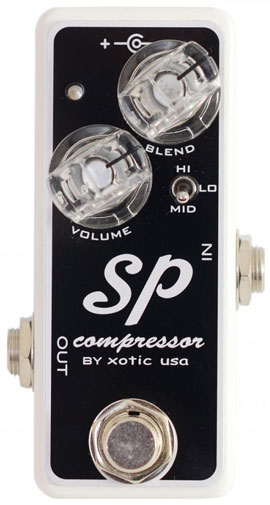
Depending on what you want to play, you might add in effects such every bit delay or a compressor, or you might use modulation effects such equally a phaser or chorus. Adjust the effect'south settings to suit your tone. You might likewise need to make slight tweaks to your amp'due south settings after you lot add in whatever pedals, but they should really be but pocket-sized tweaks.
eight. Adjust your proceeds to the right level
One time yous have added in any furnishings, you lot can now adjust the proceeds to find the ideal level. Offset with the gain turned right down and slightly turn information technology up a little bit at a time while jamming. Every time you plow the gain upwards, retrieve to yourself whether the change improved your tone or not.
You lot will find that at a certain betoken adding more than proceeds doesn't better your tone. When you achieve that point, start slightly rolling off the gain and ask yourself whether it improves the tone. Y'all will probably find that you can roll a fair scrap of proceeds off before information technology starts feeling like you're taking away from your tone.
Your platonic proceeds level is somewhere betwixt those two points. It's not an exact scientific discipline and so get out your gain at a level where you feel happy with the upshot.
9. Write down the settings you used for this drive
Writing downwardly the exact settings yous use forth with any notes such equally what you like about the tone or what type of playing it suits is a peachy way to acquire how to become the most out of your gear.
Every time you come up upwards with a new drive tone, write downwardly notes so you tin can reproduce information technology. In a year'due south time, you might accept 20 unique drive tones and verbal settings to reproduce them every bit needed. Or if you record a vocal with a certain tone, yous now have a way to reproduce that tone exactly.
Not only is this a skillful way of keeping a record of the tones you come up with, but it helps you learn to get the most out of your amp. I've seen a lot of students struggle with their tone considering they don't learn from their experiences.
Written notes assist you recall how and why different settings sound good or bad.
10. Try to replicate different drive sounds from different guitarists
Go through your music collection and pick out v completely different drive sounds. Try to find a mix of both rhythm and lead tones and in different styles if you can. The goal here is to see how wide you tin can push your amp.
Can you go a solid rhythm metal tone, a warm blues tone, a high sustain atomic number 82 tone or a vintage rock tone all with your amp? If yous take the fourth dimension to experiment with your amp, you'll be surprised how many different tones y'all can accomplish – particularly if you lot accept a modelling amp.
Even if you lot only like to play i style of music, it's still worth trying to come up with different tones. Every time you try and emulate a different tone, y'all learn how your amp works. Then when you go back to your original tone, you will notice you can make further improvements to it. It'southward worth the effort.
Get More From Your Amp
If you spend time applying the communication in this guide, you will learn how to get the virtually out of your amp. Don't expect to blitz through the above steps once and go an good on your amp'due south tone. Information technology doesn't work that mode. Your ears demand time to learn how your amp'south EQ knobs affect your tone or how much proceeds is the ideal corporeality.
Do getting to know your amp just like you would exercise a vocal. The more than fourth dimension you lot spend slowly going through the above steps, the better your tone will go.
Guitar Effects Course
If you use any guitar pedals or are thinking of adding furnishings to your rig, check out my Guitar Furnishings Course. The class gives a consummate overview of the most common types of guitar effects, how they work and how to get the best sound out of them.
The more you sympathize guitar effects, the easier it is to use them to craft a better tone. The guitar effects class volition encompass everything y'all need to become the most out of whatsoever pedals y'all own.
Other Useful Guides
In that location'due south a lot more you lot can do to achieve a good tone with your amp. Here are a few guides to assist you get more out of your amp:
- 7 Tips for a Great Guitar Amp Tone
- Can You Use a Guitar Amp as a Speaker?
- How to Play Electric Guitar Without an Amp
- Different Types of Guitar Amps Explained
- Best Battery Powered Mini Portable Guitar Amps
- How to use the iv Cable Method
Institute this guide useful? Delight share it on social media to assist support this site (if you use Pinterest, please pivot the beneath photo).
Related Guides and Lessons:
Summary
Article Proper noun
Ultimate Guide to Guitar Amp Settings
Description
Looking for guitar amp settings for a fashion of music or specific tone? Let's do one better and learn how to get the about out of your amp past ear.
Writer
Aaron Matthies

Source: https://guitargearfinder.com/guides/ultimate-guide-to-guitar-amp-settings/
Posted by: martinhalk1967.blogspot.com
0 Response to "How To Set Up A Clean Guitar Rig"
Post a Comment